Little Miss October Pumpkin Applique
A Designer’s First Stitch: Warm, Seasonal, and Thoughtfully Crafted
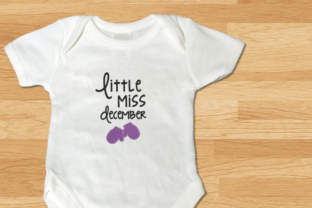
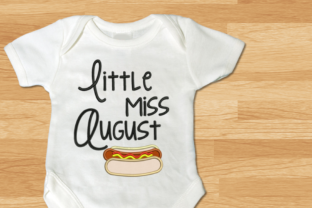
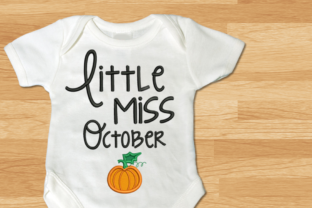
As an embroidery designer who’s tested hundreds of machine embroidery designs for personalized gift shops, I opened Little Miss October Pumpkin Applique expecting seasonal charm—and found something more: a quiet balance of sweetness and sophistication. The phrase “Little Miss October” is softly arched, with gentle serif-inspired lettering that reads handmade without sacrificing clarity. The applique pumpkin sits just right—neither cartoonish nor overly detailed—featuring clean edges, subtle stem texture, and generous negative space around its shape. It feels like autumn in a nursery: cozy, intentional, and full of quiet joy. This isn’t just a Halloween design—it’s a monthly milestone marker, a baby’s first October, a grandmother’s keepsake, or a wedding guest’s custom towel favor.
Where This Design Truly Shines
Little Miss October Pumpkin Applique excels where emotional resonance meets practical versatility. Here’s how it performs across real product categories:
- Baby embroidery: Ideal for onesies (on stable cotton), burp cloths, and receiving blankets—especially when paired with soft pastel thread colors on ivory or oatmeal fabric. Its moderate scale avoids overwhelming tiny garments.
- Wedding gifts: Embroidered onto linen napkins, monogrammed pillow covers, or rustic burlap tote bags, it adds a gentle seasonal nod without competing with formal aesthetics.
- Nursery decor: Works beautifully on framed wall hangings, quilt blocks, and crib bumper alternatives—its balanced proportions translate well at both 4" and 7" hoop sizes.
- Embroidered towel & kitchen goods: On terry cloth, use medium-weight cutaway stabilizer and reduce top tension slightly—the pumpkin applique holds up well, and the text remains legible even after multiple washes.
- Etsy seller & craft fair appeal: Customers searching for “October baby gift” or “personalized fall nursery” respond strongly to this design’s warmth and specificity. It photographs exceptionally well on natural light mockups.
Where to Pause—and Plan Ahead
Like any thoughtful custom embroidery, Little Miss October Pumpkin Applique rewards attention to context. Avoid using it on:
- Ultra-fine fabrics like silk charmeuse or lightweight rayon—small lettering may lose definition without precise stabilizing.
- Highly textured surfaces such as thick waffle-weave towels or bouclé blankets—applique edges can lift if stitch density isn’t adjusted.
- Stretchy baby knits unless fused with tear-away + cutaway combo stabilizer and stitched at reduced speed.
- Curved items like mugs or curved tote handles—stick to flat panels (e.g., front center of a tote) for best results.
- Dark fabric without contrast testing—the pumpkin’s inner stitching details can fade visually; always test thread color combinations before production.
Why It Builds Trust—and Drives Sales
Customers don’t buy embroidery files—they buy meaning, memory, and handmade care. Little Miss October Pumpkin Applique delivers that instantly. Its clear seasonal tie-in (“October”) plus personal title structure makes it feel bespoke—even before names are added. When used on a baby blanket or wedding apron, it signals intentionality: this wasn’t mass-produced. That perception lifts perceived value, encourages repeat orders, and supports premium pricing. For Etsy sellers, it performs well in search because it’s specific (“October,” “pumpkin,” “applique,” “baby”) yet emotionally broad enough to fit multiple gifting moments. And because it’s part of a cohesive collection (Little Miss and Mister), customers naturally explore other months—boosting average order value.
Practical Notes from the Hoop
Before stitching your first customer piece, run these checks:
- Test on scrap fabric that matches your final product’s weight and weave—not just muslin.
- Confirm hoop size compatibility—the listing notes “4 hoop sizes include,” so match your machine’s capability (e.g., 4x4”, 5x7”, etc.) before digitizing or resizing.
- Review stitch density—applique layers should sit flat without puckering; if the pumpkin appears stiff on test fabric, consider reducing underlay or adjusting jump stitches.
- Use appropriate stabilizer: medium cutaway for towels, tear-away + fusible for lightweight cottons, and adhesive-backed for tricky curves.
- Compare light/dark fabric mockups—some thread palettes pop on cream but vanish on navy. Keep a swatch book handy.
- Inspect small details post-stitch: check that the pumpkin’s vine curl and letter serifs are crisp—not blurred or skipped.
- Verify commercial licensing—since you’re selling finished products, confirm the digital embroidery file permits commercial embroidery use. If unclear, contact the designer or vendor directly.
Final Thought: More Than a Design—A Moment Captured
Little Miss October Pumpkin Applique doesn’t shout. It invites. It’s the kind of design that makes a new parent pause mid-fold while ironing a blanket, smile, and whisper, “Yes—that’s *her* month.” For small shop owners, Etsy sellers, and crafters building a brand around heartfelt personalization, it’s not just another embroidery file—it’s a quiet promise of quality, seasonality, and soulful detail. Used intentionally, it transforms ordinary items into heirlooms. And in a market crowded with generic pumpkins and overdesigned fonts, that kind of authenticity? That’s what keeps customers coming back—not just for October, but for every month after.