Seashells
A Nautical Accent for Small Business Merchandise
As an experienced embroidery designer, I’ve had the chance to review countless designs for use in small business merch and branded products. The Seashells design stood out immediately with its clean lines and nautical charm. It’s not just a decorative element—it’s a versatile tool that can elevate brand identity and customer engagement across multiple product types.
The First Impression: A Blend of Elegance and Practicality
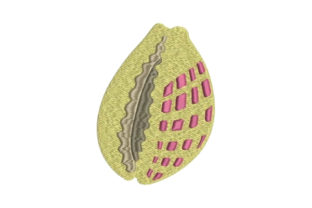
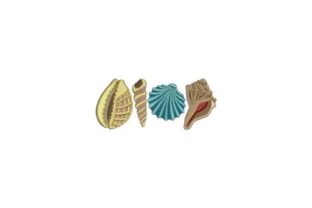
The first thing that caught my eye was the Seashells title, which immediately sets a tone of coastal sophistication. The description mentions “gorgeous satin stitch details,” which suggests a level of craftsmanship that aligns well with both handmade and commercial embroidery applications. This design feels professional yet approachable, making it ideal for businesses that want to convey a sense of quality without being overly formal.
Real-World Applications for Brand Identity
Seashells is a perfect candidate for a variety of business uses. Whether you’re looking to create embroidered patches, customize staff uniforms, or add a subtle accent to tote bags, this design offers flexibility. Its nautical theme makes it especially suitable for businesses in the hospitality, retail, and creative industries. For instance, a boutique could use Seashells as a logo on aprons or caps, while a café might incorporate it into custom apparel or product packaging.
One of the standout features of Seashells is its adaptability. It works well as a standalone design or as part of a larger branding strategy. When paired with other design assets, it helps maintain visual consistency across all touchpoints, reinforcing brand recognition and trust.
Considerations for Commercial Use
While Seashells is visually appealing, there are a few key considerations when using it in a commercial setting. First, the design’s intricate satin stitch details require careful attention to stitch density and thread color contrast. If used on dark fabrics or in small patch sizes, the design may lose some of its vibrancy unless the thread colors are chosen thoughtfully.
Additionally, Seashells should be tested on real fabric before mass production. The design’s detailed outlines and textured elements can react differently depending on the fabric type. Using the right stabilizer is crucial to ensure the finished product looks sharp and professional, especially for items like caps and tote bags that undergo frequent washing.
Another important factor is hoop size. Depending on the scale of the design, you may need to adjust your machine settings to accommodate the full detail of Seashells. Always verify the file format and commercial licensing terms before proceeding with production, as these factors can impact the design’s usability in different contexts.
Where to Use Seashells Carefully
While Seashells is versatile, it’s not always the best fit for every application. For example, using it on small patches or curved surfaces may result in a loss of detail. Similarly, high stitch density can make the design less effective on thin or delicate fabrics. It’s also worth noting that tiny lettering or intricate patterns may not translate well to certain product types.
To maximize the impact of Seashells, consider using it as a focal point on items like caps, aprons, and tote bags. These pieces allow the design to stand out while still maintaining a balanced aesthetic. Avoid overloading the design on smaller surfaces, as this can diminish its visual appeal and clarity.
Enhancing Brand Value with Seashells
Incorporating Seashells into your brand assets can significantly enhance product value. The design adds a touch of personality and professionalism, which is essential for building customer trust. When used consistently across various merchandise, it reinforces brand identity and creates a cohesive look that customers will recognize and appreciate.
Moreover, Seashells has the potential to increase buyer engagement. Its nautical theme appeals to a wide audience, making it a great choice for businesses that want to connect with customers on an emotional level. Whether used as a gift item or a branded accessory, the design adds value beyond its aesthetic appeal.
Practical Tips for Embroidery Designers
If you’re an embroidery designer working with Seashells, here are a few practical tips to keep in mind:
- Test in black and white first to ensure the design maintains its structure and clarity.
- Check if it works at small patch size to avoid losing detail in scaled-down versions.
- Review thread color contrast to ensure visibility on different fabric backgrounds.
- Inspect spacing and ensure the design flows naturally on the intended product.
- Confirm hoop size to prevent distortion during stitching.
- Test on real fabric to assess how the design performs under actual conditions.
- Use proper stabilizer to support the fabric and maintain design integrity.
- Create a printable mockup for client approval before finalizing production.
- Compare it beside other design assets to ensure visual harmony.
- Confirm commercial licensing to ensure legal compliance for business use.
By following these steps, you can ensure that Seashells delivers the desired outcome for your small business merch and branded products.