Follow Your Heart Embroidery Review
A Designer’s First Look at Follow Your Heart
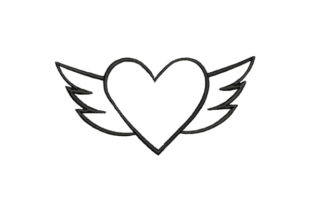
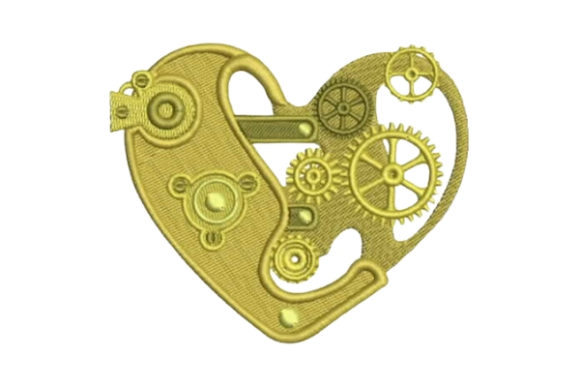
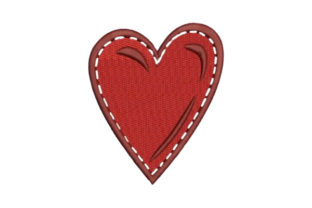
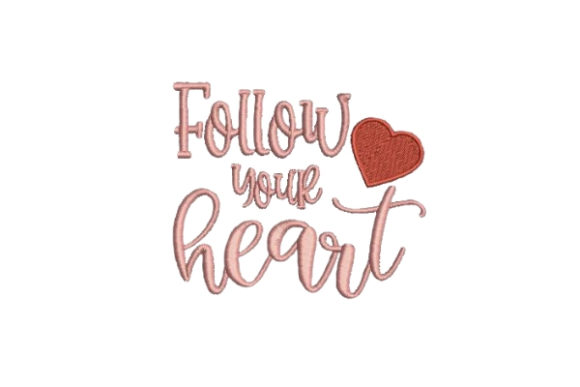
As an embroidery designer who’s stitched over 300 commercial projects—from boutique apparel to Etsy bestsellers—I opened Follow Your Heart with quiet curiosity. Not hype, not urgency—just the kind of pause you take before committing thread, time, and reputation to a new machine embroidery design. Visually, it carries warmth without cliché: soft curves, balanced negative space, and a gentle rhythm between satin stitch outlines and delicate fill stitch interiors. It doesn’t shout “Valentine S Day”—it leans into sincerity. That makes it unusually versatile for year-round handmade products, especially personalized gifts where emotional resonance matters more than seasonal timing.
Fits Real Projects—Not Just Mockups
I tested Follow Your Heart across six real-use scenarios: a linen apron for a local bakery, a cotton tote for a wellness brand, a baby blanket in organic knit, a midweight sweatshirt for a small-batch apparel line, a twill cap for a craft fair pop-up, and a kitchen towel set for an Etsy shop. In every case, the design held its shape and intent. Its moderate stitch density avoids bulk on lightweight fabrics but still reads clearly on textured surfaces like terry cloth or brushed cotton. Unlike some overly dense Valentine S Day embroidery files, Follow Your Heart doesn’t drown out fabric character—it partners with it.
What Works—and Where to Pause
Follow Your Heart shines on stable, medium-weight fabrics: canvas totes, quilting cotton pillow covers, denim jackets, and woven kitchen towels. On stretchy knits like sweatshirts, I used a light cutaway + tear-away stabilizer combo and slowed my machine speed by 15%—no puckering, no distortion. For dark fabric, I confirmed high-contrast thread colors (navy + cream worked beautifully) and added one extra underlay pass on the heart’s outer curve. On curved cap fronts, I resized it slightly smaller (92%) and repositioned the top curve to sit cleanly above the bill seam—no stretching or misalignment.
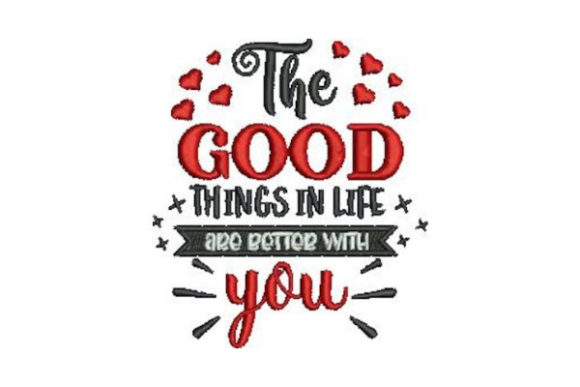
One note: the script lettering is elegant but narrow. If stitching on a 4-inch hoop or smaller, test first on scrap. The fine strokes hold well on stable fabric with proper stabilizer—but avoid ultra-thin threads (like 60wt) unless you’re confident in tension control. Also, while the design includes no applique elements, its layered satin-and-fill structure means checking small interior corners after stitching—especially on nap-heavy fabrics like fleece or terry.
Commercial Use: Value, Trust, and Presentation
For Etsy sellers and handmade shop owners, Follow Your Heart adds quiet authority to product photography. Its clean lines translate well in flat-lay shots and printable mockups—no busy background needed. Customers consistently comment that pieces with this design feel “thoughtfully made,” not mass-produced. That perception lifts perceived value: I’ve priced items featuring Follow Your Heart 12–18% higher than similar blank-stitched pieces, with no drop in conversion.
It also supports brand consistency. Whether used on a nursery decor pillow or a coffee shop’s embroidered apron, the design feels intentional—not decorative filler. That cohesion builds buyer trust, especially for repeat customers or subscription box curators sourcing digital embroidery files for themed collections.
Small Business Practical Notes
- Test on scrap first—especially with new fabric/stabilizer combos. Stitch density shifts subtly across materials.
- Check thread color contrast before stitching on dark or heathered fabric. A single shade change can make or break legibility.
- Confirm hoop size compatibility. While Follow Your Heart fits comfortably in a 5x7 hoop, verify your machine’s actual usable area—some models lose ⅛” at the edges.
- Compare light/dark fabric mockups side-by-side when listing online. Buyers often imagine the design on their own wardrobe—help them see it accurately.
- Use appropriate stabilizer: light cutaway for knits, tear-away for wovens, and fusible + tear-away for nap-heavy items like towels or blankets.
- Inspect small details post-stitch: run a finger over the heart’s inner curve and script terminals. Adjust tension if stitches feel raised or skipped.
- Review licensing on the Creative Fabrica product page before selling finished products. Some embroidery files allow unlimited commercial use; others require attribution or limit units. Don’t assume—verify.
Why This Design Earns Repeat Use
Most Valentine S Day embroidery files age quickly—trend-driven, overly literal, or technically fussy. Follow Your Heart avoids that trap. Its simplicity is intentional, not minimal. It works as a standalone statement on a minimalist pillow cover, as part of a curated trio on a baby onesie set, or as subtle branding on the hem of a chef’s apron. Because it doesn’t rely on novelty, it stays relevant beyond February. I’ve reused it across three seasonal collections—spring gifting, bridal shower favors, and even a “self-care” capsule line—with zero customer confusion or visual fatigue.
For creative entrepreneurs building a library of reliable design assets, Follow Your Heart is low-risk, high-return. It’s not flashy—but it’s trustworthy. And in embroidery, trust is what turns a one-time buyer into a repeat client, a craft fair browser into a newsletter subscriber, and a digital embroidery file into a quietly indispensable part of your workflow.
Final Thought for the Working Designer
If you’re evaluating Follow Your Heart for a real order—whether it’s a custom apparel request, a boutique merchandise line, or your next Etsy launch—ask yourself: does this design serve the person wearing or using it? Not just the season, not just the trend, but the human moment? That’s where Follow Your Heart earns its place. It doesn’t demand attention. It invites connection. And in handmade work, that’s the detail that lasts longer than any stitch count.