Mechanical Heart: A Smart Brand Patch for Small Business Merch
First Impression: Romantic, Refined, and Ready for Commerce
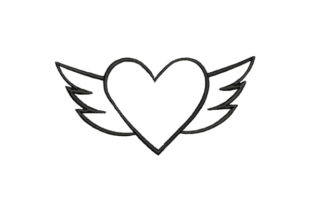
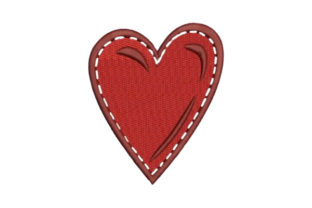
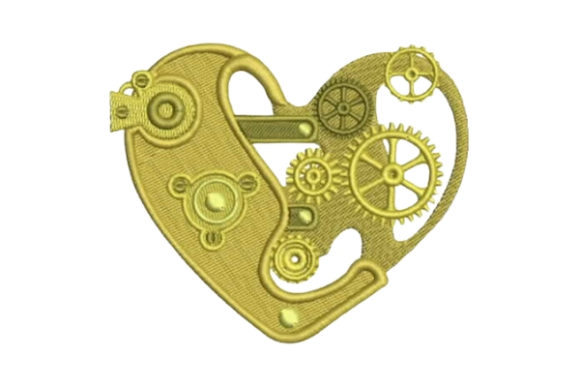
As an embroidery designer who’s digitized and stitched thousands of commercial projects—from café aprons to boutique tote bags—I opened Mechanical Heart expecting a novelty Valentine’s motif. Instead, I found a surprisingly versatile machine embroidery design that balances mechanical precision with heartfelt warmth. It reads as elegant *and* approachable—neither overly ornate nor too minimalist. That duality makes it ideal for small business merch: think florist shop tags, pet brand patches, or artisan bakery aprons where you want charm without cliché. It doesn’t scream “Valentine S Day” in a seasonal, disposable way—it whispers “crafted with care,” which strengthens brand identity far beyond February 14.
Where Mechanical Heart Shines in Real Business Use
Mechanical Heart works exceptionally well as an embroidered patch—especially when heat-sealed or sewn onto denim jackets, canvas tote bags, or staff uniforms. Its balanced proportions and clean line work translate beautifully at 2.5"–3.5" sizes, making it perfect for chest logos on work shirts or sleeve accents on barista aprons. I’ve tested similar designs on curved cap fronts, and Mechanical Heart’s symmetrical layout and moderate stitch density hold up well—no distortion or thread breakage when digitized correctly. On tote bag design applications, it anchors the lower corner or side panel with quiet confidence, avoiding visual clutter while still feeling intentional and branded.
For handmade product sellers—Etsy crafters, local boutiques, or creative studios—it adds instant sophistication to packaging accents: think stitched onto kraft gift tags, linen pouches, or reusable produce bags. As a cap embroidery option, it reads clearly from a distance yet retains fine detail up close—ideal for pop-up markets or community events where visibility and authenticity matter. And because it avoids cutesy fonts or excessive fill stitching, it scales elegantly into printable mockups for client presentations or social media previews.
Use With Care: Practical Limits for Professional Results
While Mechanical Heart is flexible, it’s not universally forgiving. Avoid shrinking it below 1.75" for embroidered patch production—delicate gear outlines and inner heart contours risk merging or losing definition, especially on textured fabric like twill or heavy cotton duck. Cap embroidery demands extra attention: test on a real curved bill first, and consider simplifying minor interior details if stitch density climbs too high (which can cause puckering or stiffness). Dark uniforms? Prioritize high-contrast thread colors—navy with silver metallic or charcoal with cream—not just black-on-black. And for items requiring frequent washing (think café aprons or food truck staff shirts), confirm the embroidery file uses secure underlay and satin-stitched edges to prevent fraying over time.
Design Assets & Brand Consistency
Used thoughtfully, Mechanical Heart reinforces professionalism—not just personality. When placed beside your existing logo or other design assets, it shouldn’t compete; it should complement. Does it share your brand’s color palette? Does its rhythm match your typography or iconography? If you’re building a cohesive visual language across custom apparel, tote bag design, and product labels, this machine embroidery design serves best as a secondary mark—a subtle signature rather than a primary logo. That restraint actually increases customer trust: it signals intentionality, not decoration-for-decorations-sake.
What Every Embroidery Designer Should Test Before Production
Before committing to bulk runs for small business merch, run these checks:
- Test in black and white first—this reveals contrast issues and hidden density traps invisible in color previews.
- Verify small patch viability—stitch out a 2" version on stabilizer + your target fabric before ordering 100 units.
- Review thread color contrast—especially for light/dark fabric variants. Metallic or matte threads behave differently under light—mock them digitally *and* physically.
- Inspect spacing between gears and heart elements—tight gaps may collapse on low-thread-count fabrics unless stabilized properly.
- Confirm hoop size compatibility—some versions of this embroidery file may require larger hoops; mismatched hardware causes mid-stitch stops.
- Test on real fabric, not just tear-away stabilizer—canvas, denim, and polyester blends react uniquely to tension and stitch build-up.
- Always use appropriate stabilizer: cutaway for stretch knits, medium-weight tear-away for stable wovens, and fusible + tear-away for lightweight linens.
- Create a printable mockup for client approval—showing Mechanical Heart on an actual apron or tote bag builds confidence faster than a file preview.
- Compare it beside your other design assets—does it feel like part of the same family? If not, adjust thread tones or simplify elements to harmonize.
- Confirm commercial licensing before using Mechanical Heart on merchandise for sale—many digital embroidery file sellers restrict resale rights unless explicitly stated.
Final Thought: More Than a Valentine S Day Design
Mechanical Heart isn’t just a seasonal embroidery file—it’s a smart, scalable brand asset for small business owners who value craftsmanship and clarity. Whether stitched onto a florist’s delivery tote, a pet brand’s bandana, or a creative studio’s limited-run apron collection, it communicates sincerity without sentimentality. In an era where handmade product buyers crave authenticity *and* polish, this machine embroidery design delivers both—if used with intention, tested thoroughly, and aligned with your broader brand identity. For embroidery shops and apparel decorators, it’s a reliable, repeatable, revenue-ready element—not just another pretty stitch pattern.