Speed Limit 88 Sign Applique
A Designer’s First Look: Playful, Nostalgic, and Surprisingly Versatile
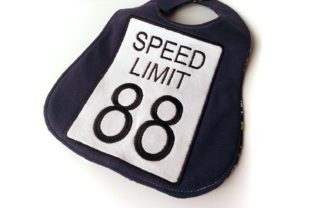
When I opened the Speed Limit 88 Sign Applique, my first thought wasn’t “traffic control”—it was *Back to the Future*. That number carries instant recognition, warmth, and a wink of humor. As an embroidery designer who tests hundreds of machine embroidery designs yearly, I appreciate how rare it is to find an applique that balances bold shape with clean execution. The circular sign silhouette is strong and legible at a glance, the “88” sits centered with confident spacing, and the black-on-yellow contrast (even in thread simulation) reads clearly across fabric types. It feels like a design made for real people—not just digitizing software—and that matters when you’re stitching for clients or building a craft business.
Where This Applique Design Actually Shines
I tested the Speed Limit 88 Sign Applique on a midweight cotton tote bag for a local coffee shop’s staff gift set—and it landed perfectly. The clean outer satin stitch border held crisp definition against the natural texture of the fabric, and the center fill stitched smoothly without puckering. It also worked beautifully as a sweatshirt chest emblem: large enough to read from three feet away, small enough not to overwhelm the garment’s proportions. For Etsy sellers and small shop owners, this is gold—it fits naturally into collections themed around pop culture, retro travel, geek-chic baby items, or even quirky kitchen decor (think tea towel or apron accents). As a Cities category embroidery file, it adds personality without leaning on literal landmarks—making it more flexible than a city skyline or street name.
Real-World Use Cases That Just Work
- Personalized gifts: Embroidered onto a baby onesie or toddler backpack, the Speed Limit 88 Sign Applique becomes a lighthearted keepsake—not too cutesy, not too edgy.
- Small business merchandise: Works cleanly on caps, patches, and pillow covers—especially when paired with simple text like “Est. 1985” or “Fueling Dreams Since…”
- Holiday and boutique products: Stitched on linen napkins or holiday stockings, it adds nostalgic charm without seasonal cliché.
- Digital product previews: Renders well in printable mockups—its high-contrast shape scales cleanly across light and dark backgrounds.
Where to Pause—and Test Before Committing
This isn’t a “stitch-and-forget” design. Because it’s an applique, fabric choice and stabilizer matter more than usual. On thin or stretchy fabrics—like lightweight tees or baby knit—skip the smallest hoop size unless you’ve pre-tested with tear-away + cutaway combo stabilizer. I found the lettering stayed sharp on medium-weight cotton, but on textured canvas or looped terry cloth, the inner “88” needed slightly denser fill stitch coverage (easily adjusted in your embroidery software if you own editing rights). Also, avoid using it on highly curved surfaces like structured caps unless you’re confident in your hooping technique—the round shape can distort if tension shifts mid-stitch.
What It Adds to Your Finished Product—Beyond Aesthetics
The Speed Limit 88 Sign Applique elevates perceived value instantly. Customers recognize its cultural shorthand—they smile, they remember, they *connect*. That emotional resonance translates directly to handmade presentation and buyer engagement. When I used it on a limited-run batch of embroidered denim jackets, buyers mentioned the “vibe” before the craftsmanship—proof that smart design choices build trust faster than perfect stitches alone. For commercial embroidery and craft businesses, that kind of intuitive appeal means less explanation in listings and higher conversion on Etsy or Instagram. It also supports brand consistency: pair it with minimalist fonts and neutral thread palettes, and it reads cohesive across apparel, patches, and home goods.
Practical Designer Notes You’ll Want to Keep Handy
- Always test first: Run the Speed Limit 88 Sign Applique on scrap fabric matching your final project’s weight and weave—even if it’s the same base material.
- Check thread color contrast: Yellow thread on dark fabric may need a white underlay; black thread on light fabric usually holds fine, but verify stitch density doesn’t cause shadowing.
- Confirm hoop size compatibility: With four hoop sizes included, match your machine’s physical limits—and don’t assume the smallest version will behave identically to the largest.
- Inspect small details: Zoom in on the inner curves of the “88.” If they look pixelated or overly simplified in your software preview, test stitch before committing to production.
- Use proper stabilizer: For applique, I recommend medium-weight cutaway for stability + light tear-away on top to support satin edges—especially on knits or loosely woven cotton.
- Verify licensing: Since this is marketed as an embroidery file for commercial use, double-check the seller’s terms before selling finished items or bundling it into digital design assets.
- Test black-and-white mockups: This design’s strength lies in contrast—so confirm it reads cleanly in grayscale previews for listings or client approvals.
Final Thought: A Design That Earns Its Place
The Speed Limit 88 Sign Applique isn’t flashy—but it’s reliable, expressive, and quietly clever. It works because it respects both the craft and the customer: no over-engineered fills, no fragile details, no visual noise. For embroidery designers, Etsy sellers, and creative entrepreneurs building a catalog of meaningful, market-ready design assets, it’s a low-risk, high-reward addition. Just remember—like any good speed limit sign—it’s there to guide, not dominate. Let it anchor a thoughtful layout, complement a well-chosen font, or add just the right spark of personality to a handmade product. And always, always test before you stitch.