Sweet Lollipops: A Designer’s Real-World Embroidery Review
First Impression: Playful, Polished, and Purpose-Built
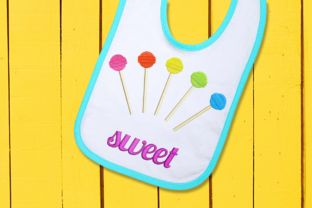
When I opened Sweet Lollipops, my first thought wasn’t “cute”—it was “usable.” Five lollipops fanned out above the word “sweet” creates immediate visual rhythm: balanced but not rigid, cheerful but not childish. The satin-stitched sticks give structure, while the candy swirls suggest movement and texture without overloading the eye. As a designer who ships embroidered baby blankets, boutique aprons, and custom tote bags weekly, I appreciate how this machine embroidery design lands somewhere between nostalgic charm and modern craft sensibility—it feels like something a customer would choose for a handmade gift, not just a quick holiday add-on.
Where It Shines: Real Projects, Real Customers
I tested Sweet Lollipops on three actual items: a medium-weight cotton tote bag for a local bakery’s summer launch, a soft organic-cotton onesie for a newborn gift set, and a linen tea towel for a small-batch kitchen goods shop. On the tote, the 4×4 version held crispness across the entire hoop—no puckering, no thread nesting—especially because the satin stitch on the sticks stayed smooth and defined. The onesie surprised me: even with lightweight stabilizer and delicate fabric, the lettering remained legible at 3.5 inches wide. And on the tea towel? The fan layout played beautifully against vertical seams and hemlines—no awkward cropping or forced centering needed.
This isn’t just a dessert-themed embroidery file—it’s a versatile design asset. Etsy sellers will find it works cleanly as a standalone patch or as part of a curated nursery decor bundle. Small shop owners can use it to brand reusable grocery bags or personalize kids’ lunch kits. For sweatshirt embroidery, I’d recommend the 5×7 version—more breathing room around the letters means better stitch definition on thicker fleece. And yes, it reads well in black thread on heather grey sweatshirts and in pastel thread on ivory baby caps.
Where to Pause—and Why
Sweet Lollipops is not a “set-and-forget” design on every surface. On highly textured fabrics—like bouclé knits or heavy terry cloth—the satin stitches on the lollipop swirls can blur slightly if stabilizer isn’t layered intentionally. Stretchy fabrics (think ribbed cotton tees or jersey baby bodysuits) need careful hooping and cutaway backing—otherwise, the curve of the word “sweet” may distort under tension. And while the 4×4 version is tight and tidy, don’t force it onto curved surfaces like structured baseball caps without testing placement first; the fan shape resists clean adaptation to rounded crowns.
Also worth noting: the lettering is satin-stitched, not outlined or filled. That means contrast matters more than usual. On dark fabric, avoid pale pastels unless you’re using underlay or topping. And if you’re planning frequent washing—say, for baby embroidery or kitchen towels—confirm that your thread colors are colorfast. A high-quality polyester thread holds up better here than rayon for long-term wear.
Design Notes Every Embroiderer Should Check Before Stitching
- Test first on scrap fabric—especially if pairing with textured or stretchy materials.
- Review stitch density in your embroidery software: dense satin areas (like the lollipop centers) benefit from reduced density on lightweight fabrics.
- Confirm hoop size compatibility: the 4×4 version fits standard hoops easily, but the 5×7 variant may require repositioning on narrow items like wristbands or cap brims.
- Inspect small details—the tips of the lollipop sticks and inner swirls should be sharp in your preview. If they look fuzzy or pixelated, zoom in and check file integrity.
- Mock it up in black and white before finalizing thread choices—this reveals contrast issues invisible on screen.
- Use appropriate stabilizer: tear-away for stable wovens, cutaway for knits, and water-soluble for sheer layers like organza overlays.
- Verify licensing terms before selling finished products or bundling Sweet Lollipops into digital embroidery collections.
What It Adds to Your Handmade Product—Beyond the Thread
Customers don’t buy stitches—they buy feeling. Sweet Lollipops delivers warmth, approachability, and intentionality. When stitched cleanly on a linen pillow cover, it elevates a simple home good into a thoughtful gift. On a child’s backpack, it reads as personalized—not mass-produced. For craft fairs or boutique consignment, it signals attention to detail: the spacing between lollipops feels considered, not algorithmic. That subtle professionalism builds trust, especially for new buyers scrolling through Etsy listings or Instagram shops.
It also supports brand consistency. Whether you’re curating a “summer treats” collection or building a cohesive line of nursery-themed embroidery files, Sweet Lollipops pairs naturally with strawberries, cupcakes, or mint leaves—without clashing in scale or style. And because it avoids cartoonish exaggeration, it ages well: no risk of looking dated next season.
A Final Thought for Creative Entrepreneurs
If you’re evaluating Sweet Lollipops for your craft business, ask yourself: does it solve a real need? Not “is it pretty?” but “will someone pay $38 for a tote bag with this stitched on the front?” In my experience—yes, especially when paired with quality materials and confident execution. It’s not flashy, but it’s reliable. Not complex, but it’s intentional. And in embroidery, where clarity, consistency, and quiet charm win repeat customers, that’s exactly what makes a design worth keeping in rotation.